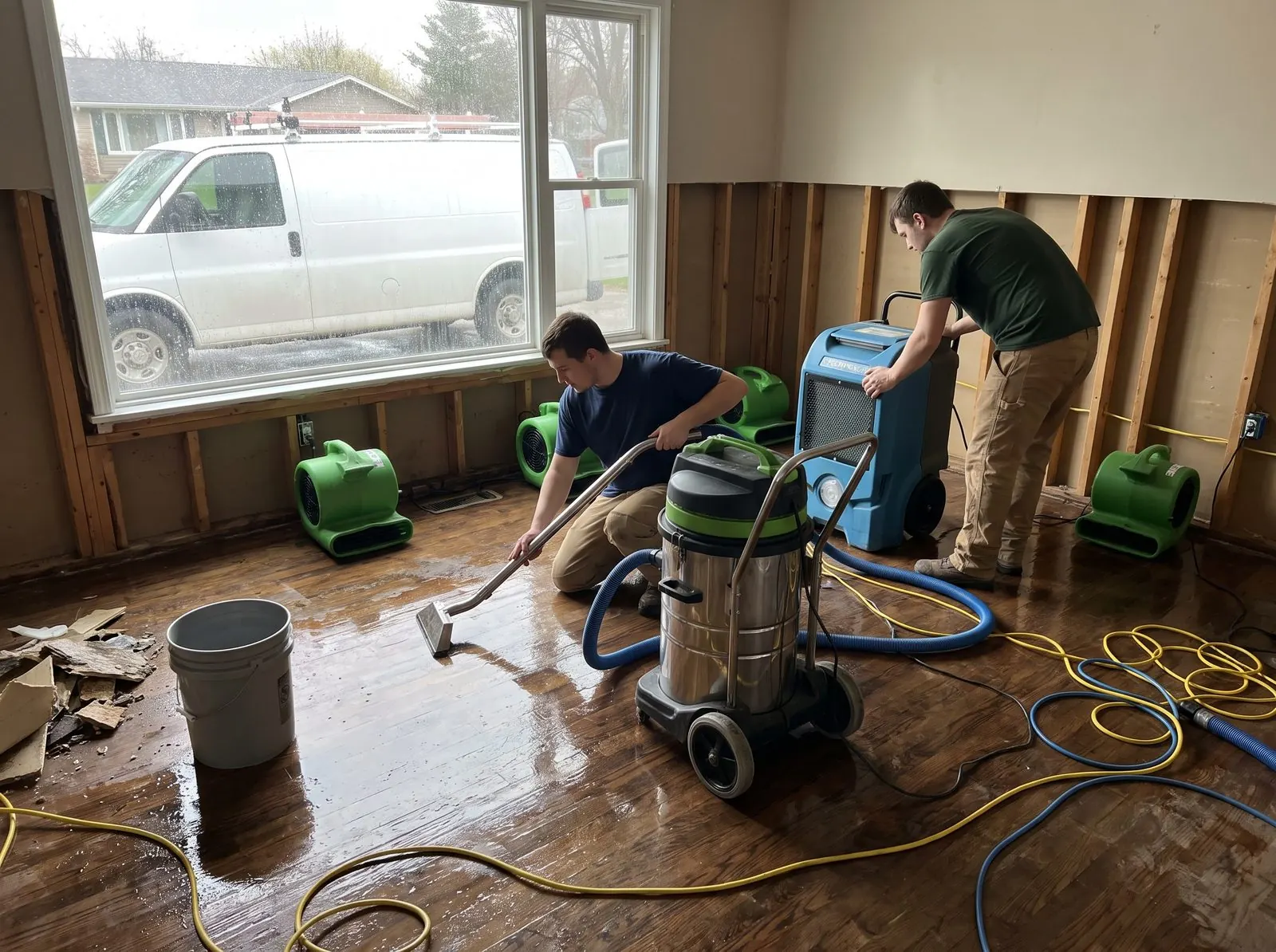
Why Mold Develops in Country Club Properties
Winter tule fog blankets the valley floor for weeks at a time, driving up humidity around foundations and irrigation-adjacent homes, while flat terrain and aging flood-irrigation infrastructure increase the risk of water intrusion after storms. As an unincorporated community in San Joaquin County, Country Club isn't exempt from these Central Valley patterns — if anything, local inspectors treat the region's climate as the starting assumption for any property here, then look for the specific building-level factors (roofing, ventilation, plumbing age) that determine how much risk a given property actually carries.
The typical Country Club property reflects a combination of long-established homes and newer infill construction. Local housing is predominantly composed of a combination of standalone homes and smaller multi-unit buildings, and our inspectors calibrate their assessment to the specific construction era and density patterns common throughout Country Club and nearby Stockton and Tracy.
Common Mold Risk Factors in Country Club
- Older flood-irrigation-adjacent properties with elevated foundation moisture
- Winter tule fog raising ambient humidity for weeks at a stretch
- Flat terrain and aging drainage infrastructure slowing storm-water runoff
- Agricultural-adjacent parcels with well water and higher ambient soil moisture
Preventing Mold in Country Club Properties
Given the moisture patterns typical of the Central Valley, Country Club homeowners benefit from being proactive rather than reactive about ventilation and drainage. That means inspecting roof flashing and seals periodically, ensuring crawl space vapor barriers are intact, directing downspouts away from the foundation, and using exhaust fans whenever showers or cooking generate steam. Simple habits like wiping down shower walls after use and fixing minor leaks as soon as they're noticed can prevent small moisture issues from ever becoming mold problems.
Mold & Water Damage Services Available in Country Club
Crawl Space Mold Removal in Country Club
Encapsulation, vapor barrier installation, and remediation for California's most common hidden mold zone.
Attic Mold Removal in Country Club
Roof-leak, ventilation, and condensation-driven mold remediation for attic spaces and roof decking.
Bathroom Mold Removal in Country Club
Grout, caulk, drywall, and exhaust-ventilation remediation for the most common household mold zone.
Mold Prevention & Moisture Control in Country Club
Proactive humidity control, ventilation improvements, and moisture-source correction to stop mold before it starts.
Inspection, Remediation & Insurance in Country Club
The Inspection Process
Mold inspections in Country Club are typically scoped to the property type in question. For homes with a combination of standalone homes and smaller multi-unit buildings, that often means paying particular attention to shared walls, attic ventilation, and plumbing chases where moisture can travel between spaces. The inspection process usually includes a visual walkthrough, moisture-meter readings at suspect areas, and — when warranted — lab-analyzed samples to characterize what's growing and how far it has spread. Findings are documented in a report that property owners can use to plan remediation or, when applicable, support an insurance claim.
Remediation Considerations
In Country Club, where the property mix leans toward a combination of standalone homes and smaller multi-unit buildings, remediation crews pay close attention to how a mold problem might have already spread beyond the room where it was first noticed — particularly in shared-wall or multi-unit situations. The core process stays the same regardless of property type: contain, remove or treat affected material, dry completely, and confirm the moisture source has been corrected before closing the work area back up.
Insurance Considerations
Whether mold remediation costs are covered by homeowners insurance in Country Club generally comes down to how the moisture problem started. Most California homeowners policies distinguish between "sudden and accidental" water damage — like a burst pipe or a failed appliance hose — and gradual issues like long-term leaks, condensation, or deferred maintenance. Sudden losses are more commonly covered, often with a mold-specific sub-limit, while gradual damage is frequently excluded. Reviewing your specific policy language, or speaking with your insurance agent, is the best way to understand your coverage before assuming either way.
Health Considerations
It's worth understanding, in general terms, that mold exposure is associated with a range of possible symptoms — from mild nasal or eye irritation to more pronounced respiratory reactions in sensitive individuals. Children, older adults, and anyone with an existing respiratory condition are often more affected than a typical healthy adult in the same Country Club property. Again, this is educational information, not a diagnosis or medical advice — see a physician if you have symptoms you're concerned about.
This is general educational information, not medical advice.
Country Club Mold Removal FAQs
How common is mold in Country Club homes?
Mold is a regular concern throughout Country Club and the broader San Joaquin County area because of a hot-summer continental pattern moderated somewhat in winter by fog that can settle over the valley floor for days at a time. While not every property develops a mold problem, the combination of local climate and building age means it's one of the more common issues our inspectors find during routine property assessments in the area.
What time of year is mold most likely to develop in Country Club?
Country Club's mold season generally tracks the region's wet-weather pattern (9-15 inches annually, with dense tule fog in winter), but that's only half the picture — a slow plumbing leak or a poorly vented bathroom can start a mold colony in Country Club in the middle of the driest summer just as easily as during winter storms.
Do you offer mold inspection and removal services throughout Country Club?
Coverage extends across all of Country Club and the rest of San Joaquin County. Whether the property is close to Stockton or further out, the same inspection and remediation process applies.
How quickly can someone inspect a property in Country Club?
For most non-emergency requests in Country Club, inspections are typically scheduled within 24-48 hours. Active leaks, visible large-scale mold growth, or situations involving vulnerable occupants can qualify for expedited or same-day emergency response.
Is mold remediation in Country Club covered by homeowners insurance?
Coverage hinges on the source of the moisture. A sudden covered loss — a burst pipe, a failed water heater — is usually covered up to a mold sub-limit under most California homeowners policies. Gradual issues, like a slow roof leak ignored for months, are usually excluded. Either way, our Country Club inspection reports are written with a format that supports insurance documentation.
Nearby Areas We Also Serve
Looking for coverage across the whole region? View our full San Joaquin County mold removal service area.
Get a Free Mold Inspection Estimate in Country Club
From Country Club to the rest of San Joaquin County, our vetted local specialists offer prompt scheduling, no-surprise pricing, and documentation formatted for insurance review.