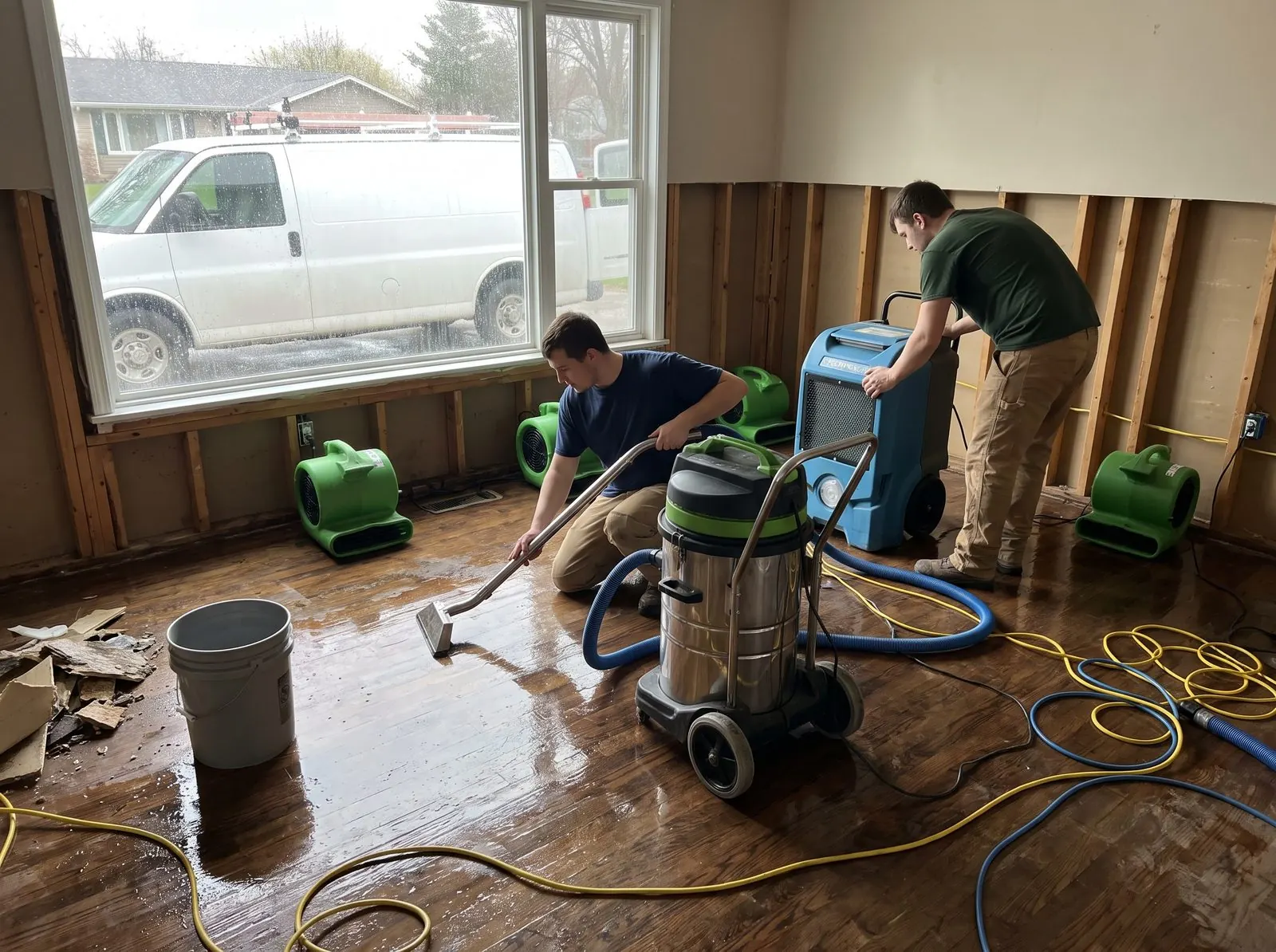
Why Mold Develops in Vineyard Properties
Winter tule fog blankets the valley floor for weeks at a time, driving up humidity around foundations and irrigation-adjacent homes, while flat terrain and aging flood-irrigation infrastructure increase the risk of water intrusion after storms. As an unincorporated community in Sacramento County, Vineyard isn't exempt from these Central Valley patterns — if anything, local inspectors treat the region's climate as the starting assumption for any property here, then look for the specific building-level factors (roofing, ventilation, plumbing age) that determine how much risk a given property actually carries.
As a community, Vineyard has a property profile shaped by a combination of long-established homes and newer infill construction. The prevailing housing pattern here — a wide range of property types, from single-family homes to smaller apartment buildings, reflecting Vineyard's roughly 43,935-person population — determines a lot about how a mold problem is likely to spread within a single property, and in denser areas, whether it's likely to reach neighboring units as well.
Common Mold Risk Factors in Vineyard
- Sudden intense storm events overwhelming aging residential roofing
- Flat terrain and aging drainage infrastructure slowing storm-water runoff
- Extended summer heat driving heavy AC condensate production around ductwork
- Vineyard's larger population for an unincorporated community means a correspondingly wider range of property ages and conditions, from recently renovated homes to long-standing ones with outdated ventilation
Preventing Mold in Vineyard Properties
Preventing mold in Vineyard starts with managing the conditions the Central Valley tends to create. Regularly checking gutters and downspouts before the wettest months, maintaining consistent indoor ventilation (especially in bathrooms and kitchens), and promptly addressing any roof, plumbing, or window leaks all go a long way toward keeping indoor humidity in a range that discourages mold growth. Keeping indoor relative humidity below roughly 50% is a commonly cited benchmark, achievable in most homes with functioning exhaust fans and, where needed, a portable dehumidifier.
Mold & Water Damage Services Available in Vineyard
Bathroom Mold Removal in Vineyard
Grout, caulk, drywall, and exhaust-ventilation remediation for the most common household mold zone.
Mold Prevention & Moisture Control in Vineyard
Proactive humidity control, ventilation improvements, and moisture-source correction to stop mold before it starts.
Indoor Air Quality Testing in Vineyard
Comprehensive IAQ assessment covering mold spores, VOCs, and ventilation performance.
Moisture & Leak Detection in Vineyard
Non-invasive thermal imaging and moisture mapping to locate hidden leaks before they cause structural or mold damage.
Inspection, Remediation & Insurance in Vineyard
The Inspection Process
Inspecting a property in Vineyard usually starts with understanding what's already known about the building — construction era, prior repairs, any history of leaks — before the inspector ever picks up a moisture meter. Given that Vineyard's housing generally reflects a combination of long-established homes and newer infill construction, inspectors know roughly what to expect in terms of vapor-barrier quality and ventilation design before checking crawl spaces, attics, and plumbing-adjacent walls directly. Sampling is added only when visual and moisture-meter findings don't fully resolve the question of scope.
Remediation Considerations
Because every community is different, the right remediation plan for a Vineyard property depends on where the moisture is coming from, how long it has been present, and what materials are affected. In general, remediation involves containing the work area, removing or treating affected materials, drying the space thoroughly, and verifying that moisture levels have returned to normal before the area is closed back up. Addressing the original water or humidity source is just as important as the cleanup itself.
Insurance Considerations
Every policy is different, but a general rule holds for most Vineyard homeowners: coverage tends to favor claims tied to a specific, sudden water event rather than mold that built up gradually over time. Some policies exclude mold entirely unless a separate endorsement is purchased, while others include a modest sub-limit as part of standard water-damage coverage. Because of this variability, it's worth reviewing your own policy or asking your insurer directly rather than assuming a particular outcome.
Health Considerations
It's worth understanding, in general terms, that mold exposure is associated with a range of possible symptoms — from mild nasal or eye irritation to more pronounced respiratory reactions in sensitive individuals. Children, older adults, and anyone with an existing respiratory condition are often more affected than a typical healthy adult in the same Vineyard property. Again, this is educational information, not a diagnosis or medical advice — see a physician if you have symptoms you're concerned about.
This is general educational information, not medical advice.
Vineyard Mold Removal FAQs
How common is mold in Vineyard homes?
Mold is a regular concern throughout Vineyard and the broader Sacramento County area because of an inland valley climate of extremes — scorching, bone-dry summers followed by a winter marked by dense tule fog and, in wet years, snowmelt-driven flood risk. While not every property develops a mold problem, the combination of local climate and building age means it's one of the more common issues our inspectors find during routine property assessments in the area.
What time of year is mold most likely to develop in Vineyard?
Vineyard's mold season generally tracks the region's wet-weather pattern (9-15 inches annually, with dense tule fog in winter), but that's only half the picture — a slow plumbing leak or a poorly vented bathroom can start a mold colony in Vineyard in the middle of the driest summer just as easily as during winter storms.
Do you offer mold inspection and removal services throughout Vineyard?
Coverage extends across all of Vineyard and the rest of Sacramento County. Whether the property is close to Sacramento or further out, the same inspection and remediation process applies.
How quickly can someone inspect a property in Vineyard?
For most non-emergency requests in Vineyard, inspections are typically scheduled within 24-48 hours. Active leaks, visible large-scale mold growth, or situations involving vulnerable occupants can qualify for expedited or same-day emergency response.
Is mold remediation in Vineyard covered by homeowners insurance?
Whether a Vineyard claim is covered comes down to how the moisture started, not the property's location. Sudden, accidental water losses tend to fare better under a standard homeowners policy than gradual issues like a long-term leak or humidity buildup. We document findings in a format insurers commonly request, though the coverage decision itself rests with the carrier.
Nearby Areas We Also Serve
Looking for coverage across the whole region? View our full Sacramento County mold removal service area.
Get a Free Mold Inspection Estimate in Vineyard
Our network covers Vineyard and every corner of Sacramento County, with clear pricing up front and inspection reports built to support an insurance claim if one becomes necessary.